gentle massage

  • I updated my website to include the word “gentle” next to “massage”. A friend asked me why, as now everyone seeking deep tissue bodywork would not schedule with me.

    Well, that’s exactly why I did it! Those people just aren’t my clients. (No offense if you’re one of them. Unless you’re wanting to try something radically different, you will best be served by another therapist.)

    Over 20+ years of doing this work, I’ve developed a niche. I’ve seen amazing results with soothing, therapeutic touch and know how it feels in my own body to do the work that is aligned with my goals of providing deep healing and a compassionate presence.

    My gentle approach is quite effective for cultivating relaxation and relieving stress and pain. I believe in showing muscles that it’s safe to let go rather than punishing them for being tight, which, btw, only seems to make them tighter!

    I’ve heard countless stories from folks who had a previous painful experience with another therapist and were cautiously hopeful that it could be different on my table.

    It is. 🙂

    I’m not trying to convince anyone to try my style of massage when they are seeking something more intense.

    Go forth and get pummeled if that’s what you wish!

    If you’re seeking a different experience and don’t want to have to breathe through the discomfort or wake up tomorrow feeling like you’ve been hit by a bus, then maybe a gentle massage is for you.

    Gentle does not necessarily mean light pressure.

    It might. I have several clients who prefer a light touch.

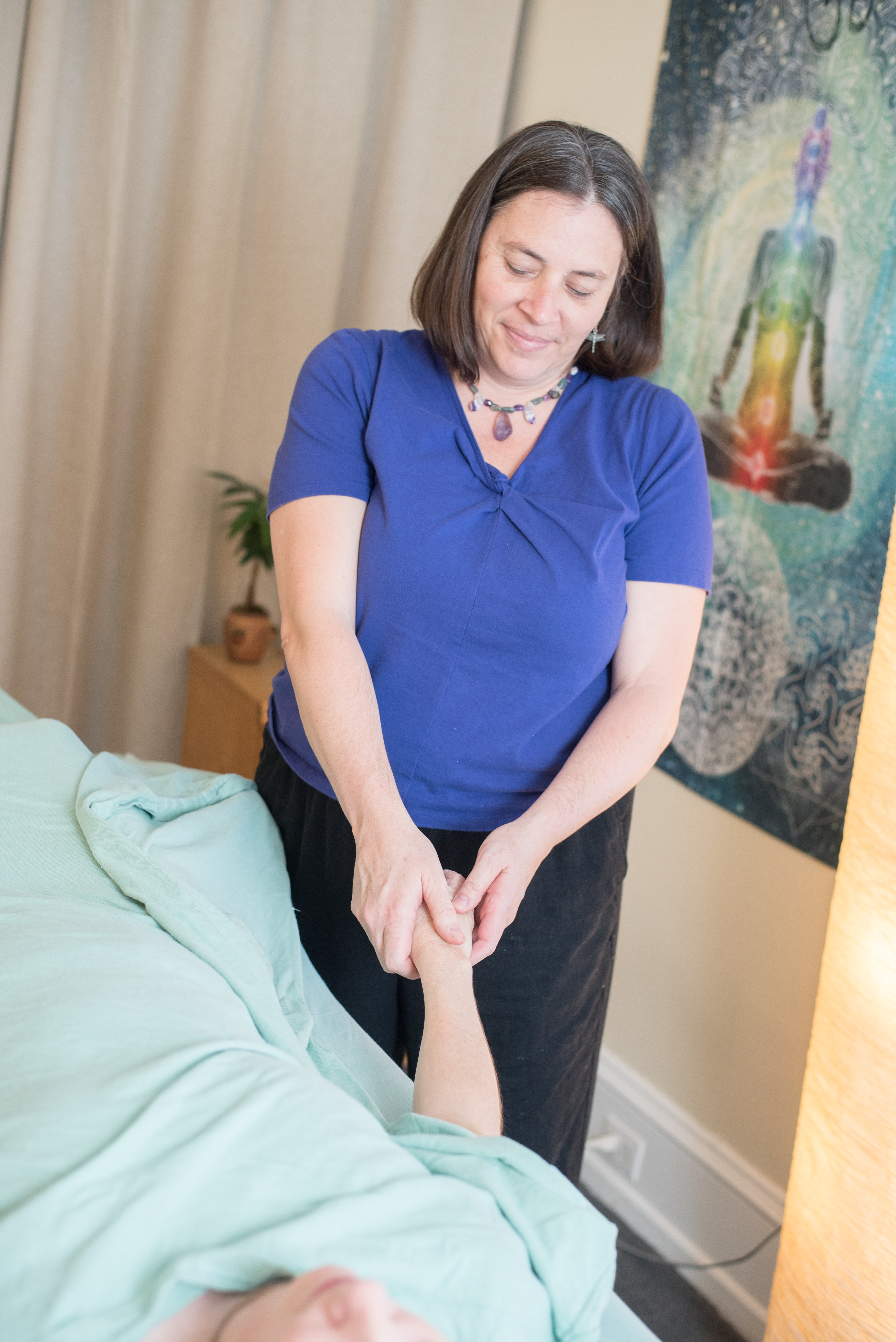
    Gentle means that I meet the muscles where they are and back off at the first sign of resistance. Sometimes it’s quite firm pressure. It means that I can adapt based on what your body is allowing but never try to force anything.

    I call it Goldilocks pressure. Not too hard, not too light. And often it changes from one body part to another and from week to week. I’ve learned to tune in and read the muscles and wait for cues to sink in. I’m vigilant for signs that I’ve gone too far.

    I’m aiming to melt the muscles by releasing tension via calming the nervous system. It feels like this:

    I welcome communication about how we can find a way for you to be comfortable and relaxed. Most importantly, I will absolutely listen to you if you want me to use less pressure. We can have a discussion about that before we begin. Because it totally matters.

    Massage doesn’t have to hurt. I’m sorry if you’ve had the experience in the past and you didn’t want that. I’d be delighted to give you a new experience if you’re open to it. Or you might consider a Reiki treatment. It has deeply relaxing and powerful healing results without any pressure at all.
     

    What the heck is “gentle massage”?

    I updated my website to include the word “gentle” next to “massage”. A friend asked me…

  • Recently I was talking with a friend who’s also an occasional client. Many moons ago we did a series of three massages over the course of a month to treat shoulder pain which had been plaguing her for years.

    “To tell you the truth,” she said quietly, with a sheepish look on her face, “I didn’t think the gentle work you did would be effective. As it turns out, it was exactly what I needed to experience a deep healing.”

    We have this erroneous belief in our culture that a therapy needs to be aggressive to produce results. That somehow the more painful a treatment is, the better the outcome will be. I’ve heard reports of clients not returning to me, or others with similar technique, because “it didn’t hurt enough.”

    True story! It didn’t hurt enough. Which begs the questions, how much should it hurt? Or what is the origin of this mistaken belief that causing pain is a realistic strategy for releasing pain?

    Pain, or even the hint of possible future pain, stimulates the fight/flight/freeze response which activates a sequence of physiological reactions, including the tensing of muscles. Tense muscles tend to pull joints and the skeleton out of alignment and impede the circulation of blood, which delivers oxygen and removes toxins. This is a recipe for more pain!

    Perhaps in some extreme cases, this might be beneficial, but in my experience as a giver and receiver of massage for nearly 20 years, gentle touch produces much more beneficial results. Creating a soothing, relaxing experience can alter the body’s chemistry, promoting healing as well as circulation, and allowing muscles to soften rather than contract. A type of somatic trust develops organically, with the body learning that it will be comforted and acknowledged rather than attacked and punished. Think “ahhhhhh….” vs “OW!

    While we might be able to force a muscle to temporarily release under duress, it’s indeed possible to cultivate long lasting healing with a more gentle approach. If you’ve shied away from bodywork due to upsetting experiences in the past, I’m sorry. I’m sorry that you were hurt and even more sorry if it prevented you from seeking further treatment.

    While many massage therapists will disagree with me, there are plenty of us who are willing to work with you in a pain-free setting. A simple inquiry will help you discern who is a good match for your needs. And if you’re wondering why your aggressive therapy isn’t producing lasting change, you might want to switch it up and try a different approach.

    Massage. It really doesn’t have to hurt!

    Massage Doesn’t Have to Hurt!

    Recently I was talking with a friend who’s also an occasional client. Many moons ago we…